Barter Smarter
What Do Sports Markets Have to Do With the Price of Beef?
All markets are psychological constructs. Here's why...
Value Perception
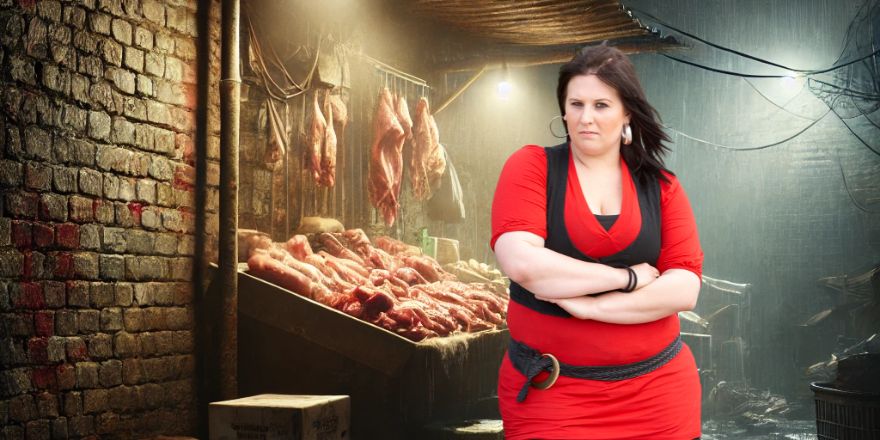
At a Thursday market, the type where you can buy pirated DVDs, wolf fleeces, wind chimes, and Liquorice Allsorts in clear bags by the kilo, you're eying up a hunk of meat in a man's car boot. The seller assures you that the beef came from a cow, and you trust him because he has seven teardrop tattoos under his eyes. He tells you that the joint costs £30, and this seems too high to you. However, his price is not a direct reflection of his costs but is influenced by demand (he says everybody is after his meat), quality perception (it has more marbling than the Taj Mahal), and scarcity (he only has one joint left and nobody else at the market is selling stolen meat today).
Betfair odds are likewise shaped by perception. A team with strong recent performances, for example, or news favouring its players, drives demand. Pricing isn't a direct reflection of value. It's influenced by collective belief.
Takeaway
Perception influences value. In sports markets, use objective analysis to find true value and avoid prices driven up by public sentiment.
Tip
Walking away from poor value works in the Thursday markets as well as Betfair markets.
Herd Mentality
An unwashed crowd gathers around the car boot, examining the brisket. This widespread interest in buying meat from a convict likely indicates the high quality of the product. And the crowd is never wrong, right?
Social proof is also seen in Betfair markets. If heaps of traders back a team, others follow. This herd behaviour creates price swings.
Takeaway
Avoid herd mentality. Just because others are backing an outcome doesn't make it the best choice.
Tip
Be a contrarian and look for value when the crowd isn't focused.
Game Theory and Negotiation Tactics
You offer the gentleman £15 for the beef, knowing he'll counter. This negotiation tactic is grounded in game theory: both buyer and seller use strategic moves to come closer to a mutual agreement.
Game theory also applies to Betfair markets. Traders often make small strategic moves—like placing small, early bets to observe the market's reaction. This psychological "bidding" back and forth continues until the market reaches a perceived fair value.
Takeaway
Use strategic entry and exit points in sports markets. Understand how odds are set and adjust your bets based on patterns rather than following initial moves willy-nilly.
Tip
Your bargaining position improves when you're well-informed about typical market prices.
Cultural Beliefs and Collective Constructs
At the "butcher's" "stall", haggling over prices is expected. This social norm shapes how you, the buyer, interact with the seller. You have a mutual understanding.
Sports markets also have their own sets of norms. For example, the markets for important football games begin to form days before kick-off, whereas it is expected and accepted that all of the money for the greyhounds will arrive a few minutes before they leg it.
Takeaway
By understanding these market culture elements, you'll know when to enter and exit strategically.
Tip
Before entering new markets, take some time to learn and adapt to its norms.
Emotions and Consumer Behaviour
When buying ingredients for pulled beef sliders, emotions play a big role. Perhaps you're very hungry, desperate to get home and cooking ASAP. Or you might be excited by the "deal" the butcher offers. This urgency can lead to impulse buying, affecting your final decision even if you hadn't planned to spend that much initially.
Things like excitement, FOMO (fear of Michael Owen), and backing a favourite team influence trading behaviour more than we like to admit. These factors lead traders to part with cash for kicks rather than assessing actual probabilities.
Takeaway
Keep an eye on emotions. Do you feel desperate to make a specific trade? Are you having too much fun?
Tip
Base your trades on logical assessment rather than excitement or FOMO.